The U.S. Embassy in Caracas, Venezuela stopped processing visas on January 25, 2019, due to diplomatic tensions. Although the State Department has not yet formally designated an alternative consulate for visa processing, the U.S. Embassy in Lima, Peru confirmed its availability for processing immigrant and nonimmigrant visa applications.
USCIS has announced that it will resume premium processing on Tuesday,February 19, 2019, for all H-1B petitions (transfers, extensions, amendments, etc.) filed on or before December 21, 2018.
Now that the federal government's most recent shutdown has ended and E-Verify has resumed operations, please remember to create cases in E-Verify for all employees hired during the shutdown. The deadline to create these cases is February 11, 2019.
USCIS confirmed this morning through publication of a final rule that it would change the order in which it runs the annual H-1B visa lottery to maximize selection of candidates with US Master's degrees.
U.S. Citizenship and Immigration Services (USCIS) announced today that applicants who have a pending affirmative asylum application with USCIS can now check the status of their applications online at uscis.gov/casestatus. Only asylum applicants with an application pending with USCIS will be able to use this new feature to check their case status online. It will not cover defensive asylum applicants whose cases are pending in immigration court.
USCIS announced today that premium processing will become available for pending H-1B cap cases as of Monday, January 28, 2019. Employers who have received requests for evidence (RFEs) for pending H-1B cap petitions should include their RFE reply with their request for premium processing.
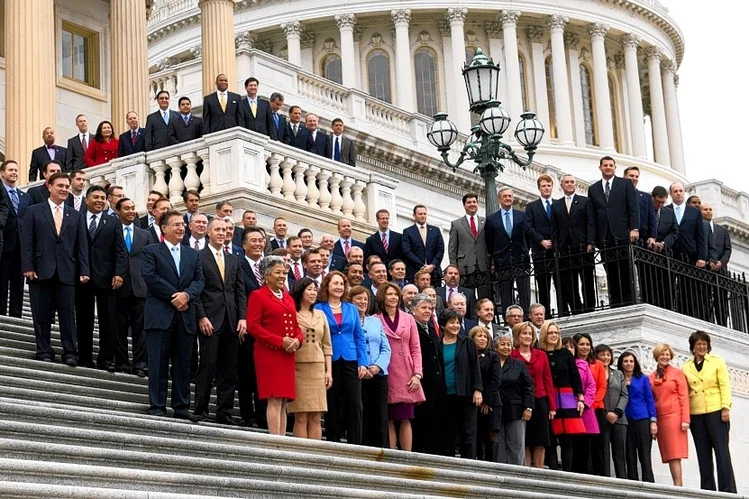
Many people don’t know that US Senators and Representatives can assist with immigration cases. In fact, members of Congress usually have one or more staffers liaising with the federal agencies that are responsible for immigration processing and enforcement, including US Citizenship and Immigration Services (“USCIS”), US Immigration and Customs Enforcement (“ICE”), and the US Department of State (“DOS”). Although the Congressional members cannot force the agencies to make a particular decision or reverse a denial, they can put a spotlight on a case by their involvement.
The Department of State (DOS) has issued its February 2019 Visa Bulletin. Overall, movement in all categories has slowed down. EB-1 for most nationals advanced by two months while Chinese and Indian nationals advanced by only one month. For the EB-2 category, Chinese nationals advanced by two months while Indian nationals advanced by only five days. Lastly, EB-3 for Chinese nationals moved forward by twenty-three days, while Indian and Philippine nationals advanced by a month and a few days.
Although the US federal government has partially shut down as of December 22, 2018, due to the President’s inability to sign a spending bill, most immigration-related processes remain operational at USCIS, DOL, and the State Department. However, USCIS has announced that E-Verify and E-Verify services are inaccessible. Several policies have been implemented to ease the burden on both employers and employees.
Recent third party intervention has ensured that litigation over the H-4 EAD will move forward. Immigration Voice, a group representing high-skilled foreign nationals, filed a Motion to Intervene with the federal court where the case has been pending (“held in abeyance”) since March 2017 due to government delay. That motion was granted on December 17, 2018, and the Court has ordered the case to move forward. Opening briefs are due in January 2019.