Delays at Immigration Inspection Anticipated at US-Canada Border
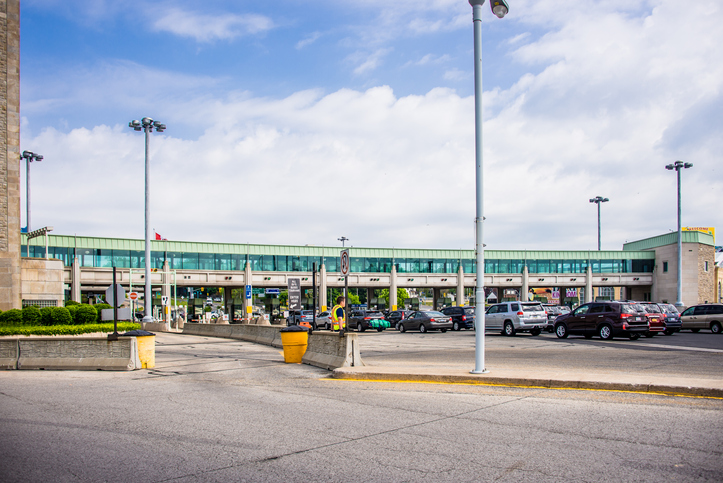
The recent transfer of more than 700 border agents from the US-Canada border to the US-Mexico border means travelers between Canada and the US should be ready for delays at immigration inspections. The Department of Homeland Security announced that the temporary transfer of border agents from the northern to the southern border is to assist with the influx of asylum-seekers from Central America.
Read More
June 2019 Visa Bulletin Released
The Department of State (DOS) has issued its June 2019 Visa Bulletin. Overall, there was a little movement in most categories this month. EB-1 for most nationals advanced by 52 days while there was no movement for Chinese nationals. EB-1 for Indian nationals retrogressed by a little over two years.
For the EB-2 category, Chinese nationals advanced by 78 days while Indian nationals advanced by only three days. Lastly, EB-3 for Chinese nationals moved forward by 24 days, while Indian nationals did not advance, and Philippine nationals advanced by five months.
Read More
Temporary Protected Status for Citizens of Nepal and Honduras Extended
The Department of Homeland Security will not be enforcing the termination of Temporary Protected Status (“TPS”) for nationals of Nepal and Honduras until further notice, following a court appeal similar to the case that challenged the terminations of TPS for Sudan, Nicaragua, Haiti, and El Salvador.
Read More
Visitor Visa Refusal Rates by Country in 2018
Each year, the U.S. Department of State releases statistics on visa refusal rates by country. It lists every country in the world in alphabetical order with its visa refusal rate. In reviewing the refusal rate for visitor visas (B-1/B-2) last year, I reorganized the information so that the countries are listed by highest to lowest rates of refusal. You can find the list here.
Read More
President Trump Proposes Admission Bonds and Other Measures to Reduce Visa Overstays
President Trump’s newest immigration initiative targets foreign nationals who overstay their visas with a focus on visitors who enter the United States on the B-1/B-2 visa and the Visa Waiver Program. In a memo released on Monday, he has proposed reducing the amount of time foreign nationals are allowed to stay in the United States, requiring additional documentation, and imposing admission bonds that would be refunded upon departure from the U.S.
Read More
USCIS Clarifies that Lawful Marijuana-related Activities Could be a Basis for Denying Naturalization
USCIS has issued policy guidance, clarifying that the use of marijuana or working in the cannabis industry could be a basis for denying naturalization applications, even where such conduct would not be an offense under state law.
Read More
SSA "No Match" Letters Return
The Social Security Administration (SSA) has re-started its practice of issuing “no match” letters to employers this past month. Also known as “Employer Correction Requests,” these letters inform an employer when an employee’s W-2 information such as their name and Social Security do not match the SSA’s records. If employers receive such a notice, they should investigate and take the appropriate corrective action.
Read More
E-2 Visa Available to Israeli Nationals Effective May 1, 2019
The U.S. Embassy in Israel has confirmed that Israeli citizens will be eligible for the E-2 Treaty Investor Visa effective May 1, 2019. This development opens new possibilities for Israel’s robust start-up culture.
Read More
May 2019 Visa Bulletin Released
The Department of State (DOS) has issued its May 2019 Visa Bulletin. Overall, there was very little movement in most categories this month. EB-1 for most nationals advanced by one month while there was no movement for Chinese and Indian nationals. For the EB-2 category, Chinese nationals advanced by forty-four days while Indian nationals advanced by only three days. Lastly, EB-3 for Chinese nationals moved forward by twenty-one days, while Indian nationals advanced by nine days, and Philippine nationals advanced by three months.
Read More
CBP Suddenly Refusing to Adjudicate L-1 Extensions and Amendments By Canadians at the US-Canada Border.
In a strange reversal of long-standing practice, Customs and Border Patrol (“CBP”) has started refusing to adjudicate subsequent L-1 petitions presented by Canadians at certain ports of entry and preclearance locations along the US-Canada border. CBP says that amendment and extension petitions now need to be filed with US Citizenship and Immigration Services (“USCIS”). This new policy affects both individual and blanket L petitions.
Read More